






Once pores enlarge, they show no signs of shrinking. Regardless of gender or age, enlarged pores are a lifelong dilemma. This troublesome issue becomes more active in the summer due to increased sebum production, and causes skin to sag by reducing elasticity in the dry winter. Enlarged pores are also the main culprit behind rough-looking skin texture. Furthermore, since bacteria can easily invade through them, they can lead to other skin conditions.
Can we really win the battle against enlarged pores? Unfortunately, it is impossible to completely eliminate them. However, there are ways to prevent them from enlarging. Since it is difficult to shrink pores once they have stretched, it is essential to manage them proactively at the right time. Understanding pores makes management easier. Let’s explore the reasons why pores enlarge and how to care for them.
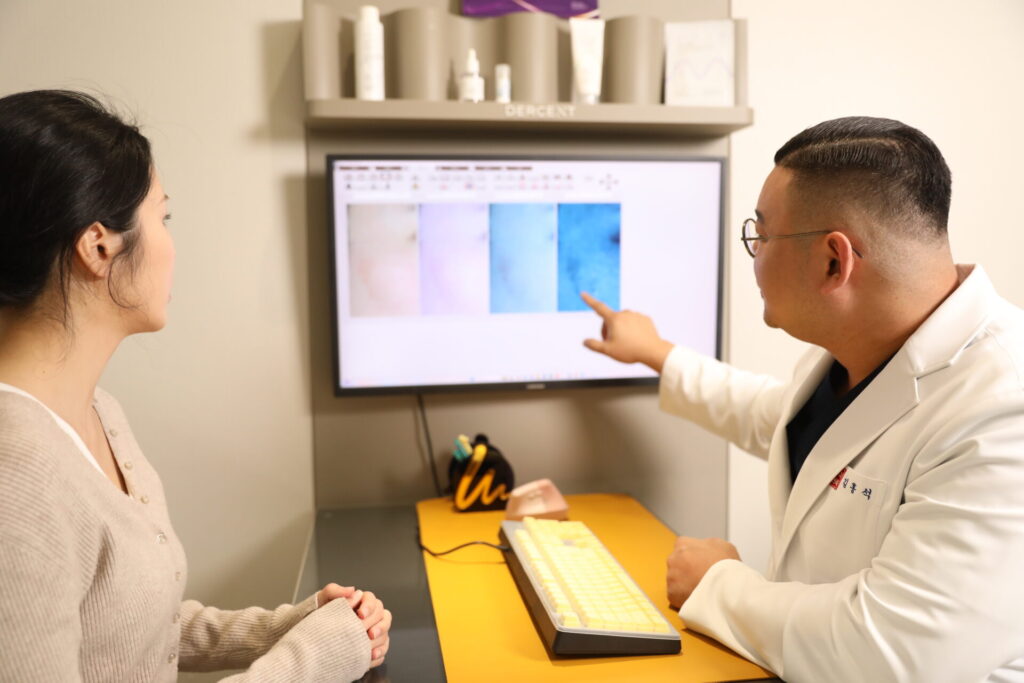
Causes of enlarged pores, why on earth do they only get wider?
Everyone has had a time in their lives when they boasted clear, pore-free skin. Adolescence is the period when pores begin to widen significantly as growth hormones are released and sebum secretion becomes active. As the amount of sebum increases, the passages through which it exits naturally expand. In other words, excessive sebum production widens pores, and as sebum accumulates there, their size increases noticeably. For this reason, it is no wonder that people with oily skin are highly interested in pores.
In fact, there is no need to resent sebum. It is clearly an essential substance for us, performing its proper roles such as lubricating hair, strengthening the skin barrier, acting as an antioxidant, and regulating skin immune function. It is beneficial, but it becomes a nuisance when secreted in excess.
Aging is also a major cause of enlarged pores. As skin ages, the decrease in collagen and elastin causes the skin around the pores to lose elasticity. As elasticity declines, the skin’s ability to hold the pores in place weakens, leading to pore expansion. These enlarged pores are commonly referred to as “vertical pores.” Ultimately, the fact is that caring for skin elasticity also helps with pores!
What is important for pore care?
Did you know that home care is important for pore management? This means that small, good habits accumulate to prevent pore enlargement. Let’s take a look at some care methods that are good to practice in your daily life.
Do not squeeze by hand.
When sebum clogging pores comes into contact with air, it oxidizes and turns black; this is what constitutes a blackhead. Squeezing or rubbing vigorously with your hands can damage the surrounding skin tissue, potentially causing the pores to enlarge further. Particular caution is needed around the nose, where blackheads form most frequently, as the area has many blood vessels and easily turns red if irritated. Instead of squeezing, it is better to gently dissolve and remove them using oil-based ingredients; thicker textures like petroleum jelly help facilitate sebum expulsion more effectively than cleansing oils.
Stress is the enemy of pores
Hormonal changes caused by stress stimulate sebum production. As previously explained, excessive sebum can clog pores and cause skin problems. Remember that managing stress and maintaining a regular lifestyle with sufficient sleep to keep your day and night aligned are linked to pore health.

Stop irritating your face
Excessive use of nose strips and exfoliating masks, as well as rinsing with cold water after washing your face with hot water, are incorrect skincare habits that irritate the pores. Actions such as forcefully removing products or repeatedly rubbing the skin can actually stimulate sebum secretion and make the skin more sensitive. Giving your pores a rest also helps prevent them from expanding. I recommend using mildly acidic products when cleansing.
It is also important to pay attention to skin temperature. A 1-degree increase in skin temperature leads to an approximately 10% increase in sebum secretion. Additionally, if humidity rises from 30% to 60%, sebum secretion increases by about 20–30%. Do not forget that this leads to enlarged pores.
Water intake is essential
Dry skin naturally loses elasticity. Dryness can lead to increased sebum production as a compensatory mechanism to retain moisture. You can think of this as a type of oily skin prone to dehydration. It is important to manage your hydration by drinking plenty of water. Applying oil-free regenerating or moisturizing creams helps create supple skin.

Apply sunscreen thoroughly
Applying sunscreen does not mean that pores shrink. However, UV rays help reduce the loss of collagen and elastin, which are closely related to skin elasticity and aging. It is only natural that pores enlarge as skin elasticity deteriorates due to aging. Since UV rays can cause the components of sebum to oxidize and lead to inflammation, it is recommended to apply a sufficient amount several times a day, every day.
Essential dietary management
Consuming plenty of vegetables and fruits containing antioxidants, such as tomatoes, avocados, strawberries, broccoli, and blueberries, is also a good dietary habit. You should refrain from high-sugar and high-fat foods. Additionally, the unsaturated fatty acids found in nuts support the normal function of the skin’s stratum corneum, making the skin texture smooth and helping to shrink pores. Zinc is recommended because it is effective in suppressing the DHT hormone that secretes sebum; while there may be individual differences, 15 to 30 mg per day is appropriate.
Check this ingredient in pore-minimizing cosmetics.
You cannot expect dramatic results from cosmetics that emphasize pore-shrinking functions. However, using products that cleanse sebum and improve skin elasticity is the beginning of pore care. Check out the ingredients and effects of cosmetics that help with pore management.
- Niacinamide: Suppresses sebum secretion, provides excellent whitening, has anti-inflammatory effects, and alleviates hyperpigmentation caused by acne.
- Retinol, Retinal: Relieves acne, improves pores by regulating sebum, promotes exfoliation, and offers anti-aging effects such as wrinkle reduction.
- Adenosine: Improves wrinkles.
- Vitamin E: Antioxidant action (using a product containing Vitamin C, which has oxidizing properties, enhances antioxidant power, allowing for even better results), and hydration.
- AHA, BHA: Exfoliates and reduces sebum (consistent use of BHA in small amounts is recommended).
Pore treatments, finding the right one for me
Lifestyle habits and the use of cosmetics alone are insufficient to reduce pore size. If you want to see a noticeable difference, dermatological procedures are essential. You can achieve a double benefit by receiving treatments tailored to your needs, including those for pore reduction.
Skin Botox
Unlike standard Botox, which is injected into the muscle layer, this procedure involves injecting small amounts of Botox densely into the skin’s surface and dermis layer. It reduces hyperkeratosis—characterized by excessive sebum secretion and dead skin cells—resulting in smoother skin. Additionally, it affects the surface arrector pili muscles, causing slight swelling and a tightening sensation. The immediate effects are a major advantage of this procedure. However, because a small amount is injected, the duration of the effect is relatively short, so it is generally recommended to receive follow-up treatments every 2 to 3 months, although individual variations may exist.
Needle RF, high frequency
There are two types of treatments: needle RF, which involves inserting a needle, and a radio frequency method that utilizes surface currents to deliver energy without needle penetration. By delivering radio frequency energy deep into the skin, it is effective in shrinking pores. It is recommended for those concerned about both pores and skin elasticity.
Ulthera
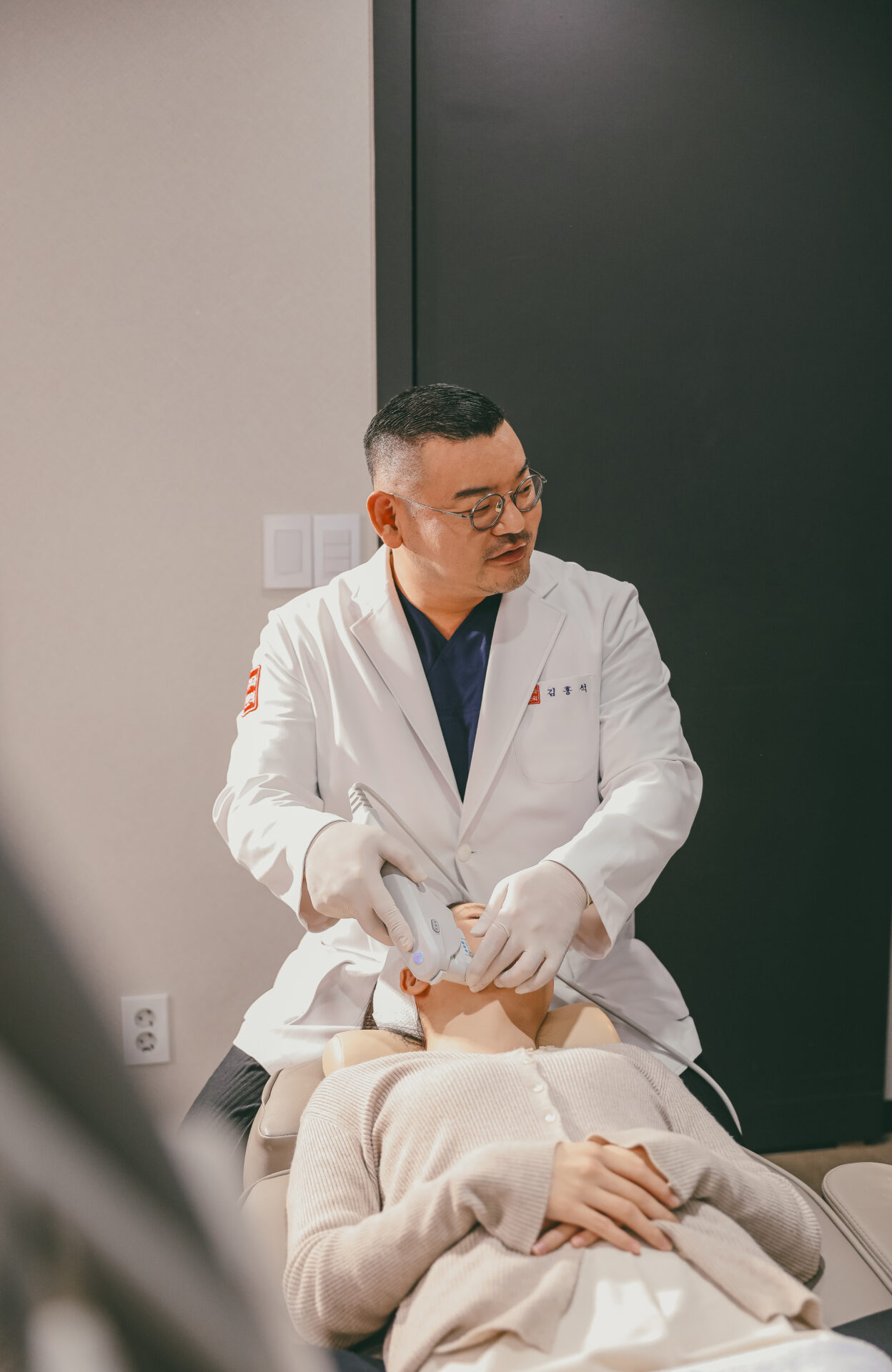
Ulthera performs treatments using a total of three tips based on the depth of ultrasound penetration. Among them, the shallowest 1.5mm tip irradiates ultrasound to the skin surface and dermis layer to stimulate the production of collagen and elastic fibers. Rather than using this procedure alone for pore treatment, it is frequently combined with skin Botox or other lasers.
Non-ablative fractional laser
Traditional methods that induce severe scarring are beneficial for pores, but their long recovery periods significantly disrupt daily life. Lasers such as Tultum and Abulglas, which eliminate these drawbacks and refine only the surface, are also noteworthy for pore care.
Skin Booster
Skin boosters are not a procedure that directly improves pores. They serve to help speed up recovery when other treatments are performed. If you need improvement in pores and overall skin, you may choose this treatment, which allows for various combinations such as lasers, skin boosters, and skin Botox.
Mirajet
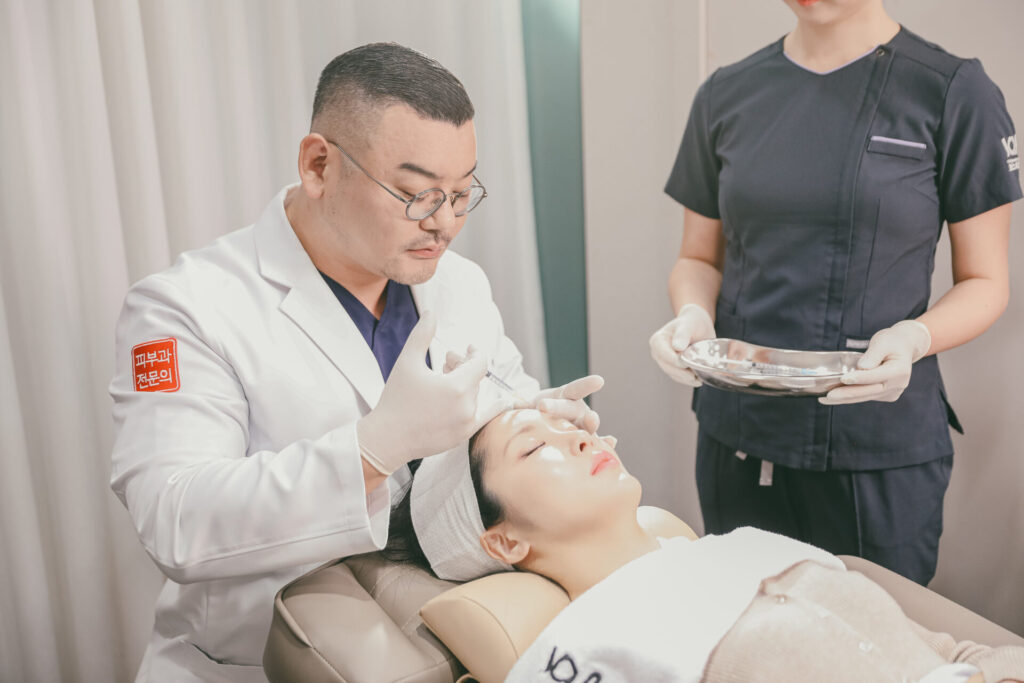
This method involves creating microscopic wounds in areas with enlarged pores to inject medication. The medication aids in the regeneration of these internal wounds, which in turn causes the pores to shrink. For pore improvement, it is typically performed in combination with radiofrequency rather than as a standalone treatment.
Double tight
The Double Tight procedure, which uses micro-needles to deliver both high-frequency energy and medication, creates tiny micro-injuries to activate growth factors and promotes skin regeneration as the wounds naturally heal. It is also effective for shrinking pores. Furthermore, you can expect various results, including improved skin elasticity, lifting, and texture.
Did you know that there is such a wide variety of treatments available for pore management? Treatments can be combined in various ways depending on individual preferences. To create a treatment plan, accurately assessing your current skin condition is the first step. Get a precise diagnosis through a one-on-one consultation with a doctor at a trustworthy clinic, and do not delay addressing your pore concerns.