






Son Heung-min and Kendall Jenner. These two figures, active in completely different fields, share an unexpected commonality: they both undergo the same “treatment,” even if their purposes differ slightly. It is not just them; numerous celebrities, including Justin Bieber, Kim Na-young, and Son Tae-young, have also confirmed that they receive this treatment. This procedure, chosen first by discerning individuals, is Hyperbaric Oxygen Therapy (HBOT). Just what are the recovery effects of hyperbaric oxygen that everyone is getting it?

Although it is only now gaining attention, hyperbaric oxygen therapy actually has a long history, having been utilized in medical settings for decades. Previously, it was primarily used to treat conditions such as decompression sickness or sudden hearing loss. However, nowadays, more people are seeking it for wellness and skin health, even without any specific medical condition. How does hyperbaric oxygen recovery therapy improve everything from diseases to skin? Let’s take a closer look at its principles and the perfect treatments that complement it.
Skin needs oxygen too.
If you look at cosmetic advertisements, you often see phrases like “the skin breathes.” Since the skin is not a respiratory organ, it naturally cannot breathe. However, just like any other organ in the body, the skin requires oxygen. Oxygen is a prerequisite used for tissue regeneration, inflammation control, and the proliferation of fibroblasts, which influence skin health. It also acts as a catalyst in synthesizing collagen and elastin, which are the key to skin beauty. In essence, it serves as the essential fuel for most skin functions.
So, how does the skin supply oxygen? The skin supplies oxygen through two layers: the dermis and the epidermis. While the dermis receives oxygen through blood vessels, the epidermis, lacking blood vessels, must employ other methods. The epidermis receives most of its oxygen by spreading from the capillaries in the dermis. Although it also replenishes necessary oxygen by allowing air to penetrate the skin’s surface, this amount is very minimal.

It would be ideal if oxygen could be supplied without problems throughout one’s life, but as we age, even this begins to falter. As we undergo aging, the function of blood vessels declines, and consequently, microcirculation—which supplies oxygen and removes waste—slows down. Naturally, the amount of oxygen supplied to the skin decreases.
When the skin enters a state of hypoxia, it inevitably becomes exhausted. With a lack of the fuel needed to generate energy, metabolism slows down, and waste products are not properly eliminated. As a result, the skin becomes rough and dull. Not only does elasticity decrease, but the speed of recovery also slows significantly. It is a poor condition both externally and internally. Now is the very moment when the effects of hyperbaric oxygen recovery are needed.
The Effects of High-Pressure Oxygen: What You Need to Know
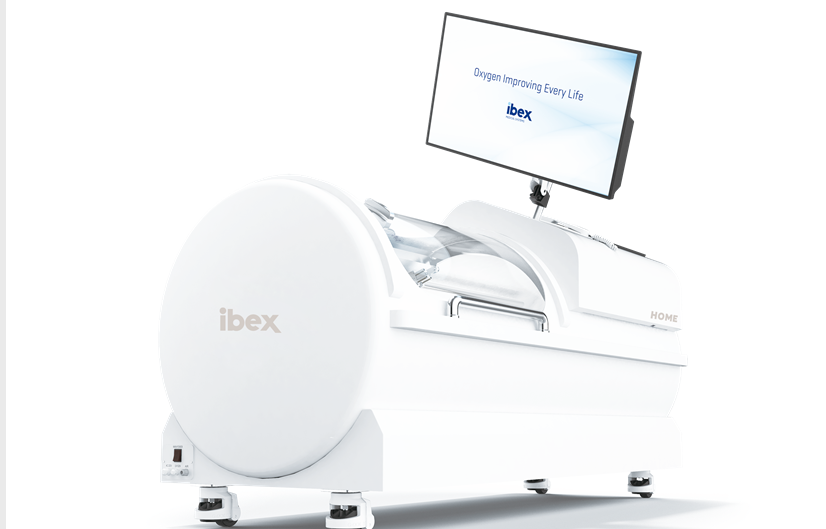
You have likely seen scenes in movies where people sleep in hibernation capsules to travel through space or extend their lifespan. Hyperbaric oxygen recovery (therapy) takes place while lying in a chamber that looks similar. The interior creates an environment completely different from the outside. High pressure of over 2 atmospheres is maintained, which is much higher than the 1 atmosphere of daily pressure. Hyperbaric oxygen therapy is a treatment method in which a high concentration of oxygen, close to 100%, is inhaled inside this environment.
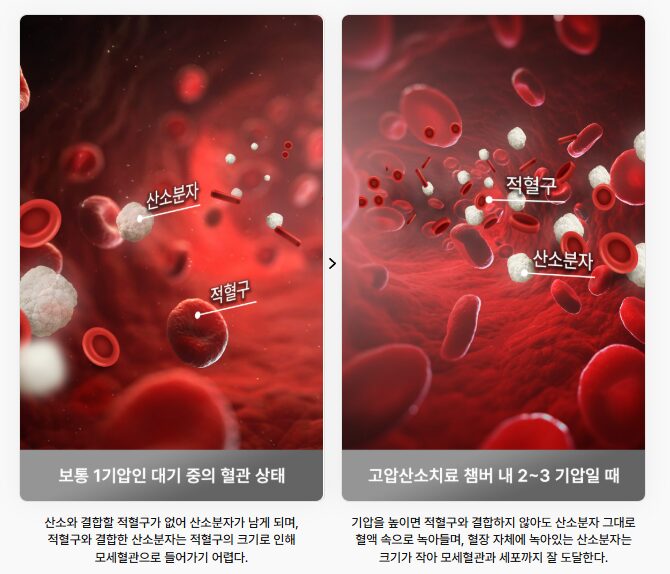
Under normal atmospheric pressure, oxygen is transported by binding to hemoglobin in the blood. While this is an effective method when blood flow is smooth, it is difficult to deliver sufficient oxygen to microvessels with weak blood flow or to damaged areas. Sometimes, excess oxygen remains because there is no hemoglobin to bind to. This results in blind spots where oxygen does not reach effectively. However, the situation is different under high pressure. As pressure increases, oxygen dissolves into the blood plasma, enabling it to move deep into cells.
Oxygen is a key element in skin metabolism and regeneration. What happens when high concentrations of oxygen are absorbed into the body through hyperbaric oxygen therapy? As oxygen penetrates into microvessels and tissues that are normally inaccessible, it actively assists cells in generating energy and repairing damaged areas. Consequently, the skin’s recovery speed accelerates, and overall regenerative capacity is enhanced.
The effects of high-pressure oxygen do not end here. Since oxygen is involved in the production of collagen and elastin, the synthesis of these two key elements for the skin increases. Skin elasticity improves, and fine lines are tightened. In addition to skin health, it offers cosmetic benefits that slow down aging. Furthermore, improved blood flow provides the secondary benefit of a clearer complexion.
Hyperbaric oxygen recovery (effects), better to receive after the procedure
While hyperbaric oxygen therapy is sometimes performed alone, it is more commonly combined with dermatological procedures such as lasers or lifting. This is easy to understand when considering that most dermatological treatments utilize the principle of “recovery after damage.” Lasers, lifting, and fillers apply micro-stimulation to the skin, leading to improvement through the process of damaged tissue repair. The problem is that this recovery process consumes more energy than one might expect.
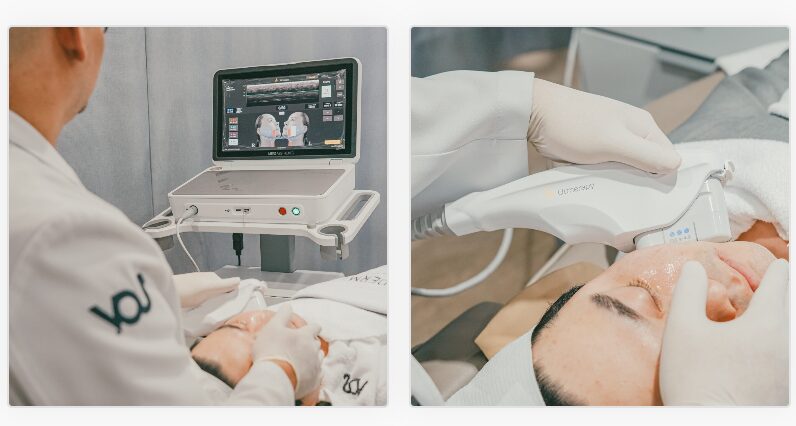
One of the reasons many people hesitate to undergo the procedure is downtime. Who would want to go about their daily lives with bruises or swelling on their face? No matter how good the results are, satisfaction is bound to decrease if the recovery process is slow. In situations where a speedy recovery is urgent, hyperbaric oxygen therapy serves as a reliable ally. This is because inflammatory reactions such as swelling and bruising that occur after the procedure are ultimately closely related to a temporary state of hypoxia.
When a sufficient supply of high-concentration oxygen is provided to the body, oxygen saturation in the damaged area increases, and blood flow improvement is promoted. Consequently, the excessive production of reactive oxygen species that cause inflammation is suppressed, and the oxygen and nutrients necessary for tissue regeneration are rapidly delivered. As a result, bruising and swelling that may occur after the procedure can be alleviated, and the skin recovery speed can be shortened. Above all, the treatment process is simple, and the fact that the effects can be achieved simply by lying down and resting in the chamber is a major attraction.
The therapeutic effects of hyperbaric oxygen recovery extend beyond simple post-treatment care. As mentioned earlier, a smooth supply of oxygen can activate the synthesis of collagen and elastin. When the effects of hyperbaric oxygen are applied to skin stimulated by the procedure, they create synergy, resulting in even smoother and more elastic skin. It functions not merely as an auxiliary treatment to aid recovery, but also as an upgraded device that maximizes the effectiveness of the procedure.
Hyperbaric oxygen therapy, its best friend is stem cells
There is a procedure that has recently gained popularity comparable to hyperbaric oxygen therapy. It is stem cell injection, which has emerged as a new alternative for anti-aging and skin regeneration. By injecting purified stem cells extracted from the blood, it promotes the recovery of damaged tissues and improves skin elasticity and density. However, it is not as easy as it sounds for stem cells to properly settle and become active within the body. Blood-derived stem cells are quite finicky and highly sensitive to their environment. Furthermore, their absolute number is lower than that of bone marrow or fat.
This is where hyperbaric oxygen therapy plays a crucial role. Through hyperbaric oxygen therapy, the oxygen concentration in the blood increases, and oxygen reaches deep into the body’s tissues. This is precisely the optimal environment for stem cells to survive. Furthermore, the homing effect—the characteristic of stem cells to instinctively locate damaged areas—also exerts greater influence in oxygen-rich conditions.
Furthermore, hyperbaric oxygen therapy takes on the role of increasing the number of deficient stem cells. This is because the supply of oxygen increases nitric oxide (NO), triggering a mobilization phenomenon that awakens stem cells in the bone marrow and draws them into the bloodstream. In fact, studies have reported that the number of stem cells in the blood increased by up to eight times after receiving hyperbaric oxygen therapy more than 20 times.
Oxygen is the very energy source for stem cells. When supported by sufficient oxygen, stem cells suppress inflammation and more actively secrete growth factors or regenerative proteins. This means that even the same stem cells are upgraded into smarter-functioning cells in a high-pressure oxygen environment.
Hyperbaric oxygen therapy acts as both a promoter and a protective shield, helping stem cells function properly and survive for a long time. You can expect not only quantitative growth but also qualitative improvement. Try combining hyperbaric oxygen therapy before and after your stem cell intravenous injection. You will not only maximize the effectiveness of the stem cell procedure but also achieve optimal results enhanced by the benefits of high-pressure oxygen.
Are there any precautions for hyperbaric oxygen therapy?
Hyperbaric oxygen therapy is a procedure with solidly proven safety, having been used in the medical field for such a long time. As it is a non-invasive method involving neither needles nor incisions, it is virtually burdensome. You simply lie down comfortably, watch videos, or take a nap, and that is it. There is absolutely no problem returning to daily life immediately after the procedure. In fact, many people receive it not only for the purpose of treating a disease but also for fatigue recovery and improving their overall condition.
Of course, there are a few precautions to keep in mind. If you have lung conditions such as pneumothorax or asthma, or suffer from otitis media or sinusitis, you must consult with medical staff. Since hyperbaric oxygen therapy applies constant pressure inside the chamber, it can be uncomfortable for those with these conditions. It is also advisable for those with claustrophobia to inform the medical team in advance of the procedure.
How can you maximize the recovery effects of hyperbaric oxygen? Care tailored to your skin condition and treatment history is crucial. For instance, if you have just had a laser treatment or lifting procedure, the focus should be on reducing inflammation; if you are before or after a stem cell treatment, the focus should be on cell activation. This personalized approach significantly improves both the speed of recovery and the quality of your skin.
VOS Dermatology meticulously manages these aspects. Personalized consultations and 1:1 private treatments personally performed by the Chief Director, who boasts 20 years of experience, are strengths that VOS Dermatology can proudly showcase. If you do not want to miss out on excellent treatment results and minimal downtime, please visit VOS Dermatology. We will do our utmost to help your skin recover faster and healthier.