






There is a keyword that has recently been dominating the entire spectrum of lifestyles, regardless of the field. It is “slow aging.” This trend, launched by Professor Jung Hee-won—the so-called evangelist of slow aging—has captivated not only health-conscious middle-aged adults but also the 2030 generation. Those who used to go wild for mala tang and tanghulu are now making sure to eat lentils and brown rice.
Slow aging is also consistently a hot topic in the field of skincare. Perhaps due to the name “slow aging,” it is not uncommon to find people approaching it as a means of skincare to look younger. But is slow aging truly a shortcut to a youthful appearance and a miracle cure for beauty? We will clearly explain the misconceptions and truths surrounding slow aging.
Slow Aging, Is It a New Concept?
Slow aging, as the name suggests, refers to a lifestyle that slows down the rate of aging. Previously, the standard of health management focused on restoring the youthfulness of an already aged body. However, slow aging takes a slightly different perspective. It involves accepting the fact that we are bound to age, but adjusting one’s lifestyle to slow down that pace.
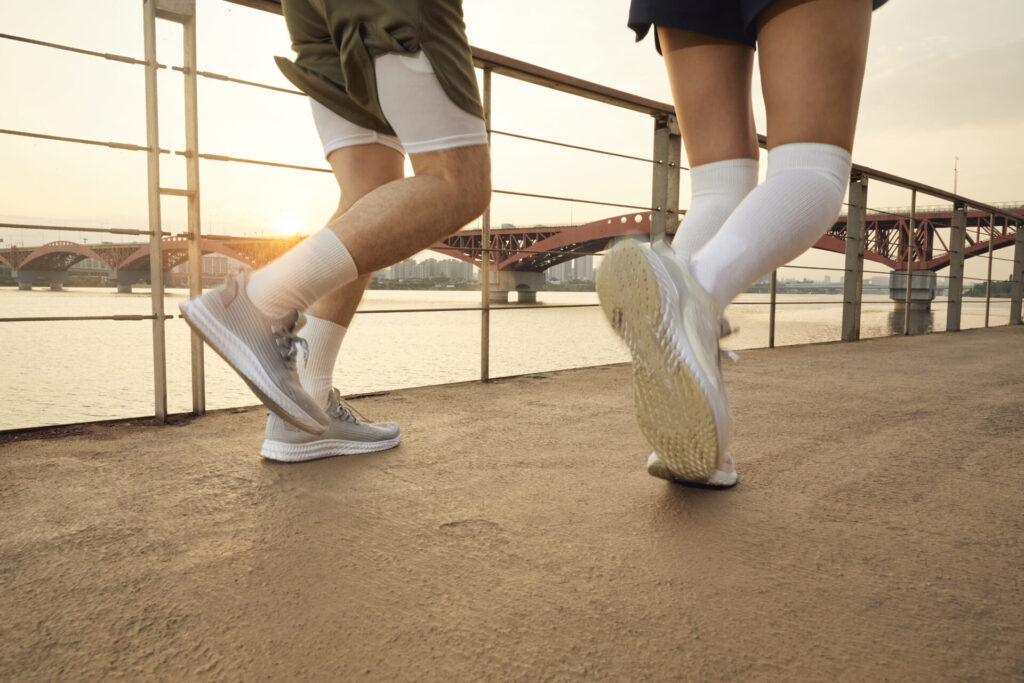
There are various factors that cause the body to age, ranging from natural aging over time to diet, stress, relationships, physical activity, and individual circumstances. Ultimately, this is no different from saying that every element surrounding your life influences the speed of aging. Therefore, it is important to go beyond simply adding or removing one or two things from your current life and bring about changes in your overall lifestyle habits.
So, how can we practice slow aging? Professor Jung Hee-won suggests the following actions: eating well, moving well, practicing mindfulness, resting, sleeping well, and reducing alcohol and tobacco. Among these, she emphasizes the importance of dietary habits the most. She goes so far as to say that reducing food intake by 20–25% can slow down the aging process by approximately 75%.

However, this is strange. After all, it is a well-known fact that behaviors such as exercise, diet, and sleep management make for a healthy life. It is also the lifestyle implied by the term “well-being,” which was widely used until very recently. Consequently, while the term “slow aging” sounds new, a closer look at its meaning reveals that it does not deviate significantly from our existing common sense.
Slow aging is not a panacea
As slow aging gains popularity, there are unexpected instances where people misunderstand it. Specifically, they approach it as a cosmetic concept. After all, the word “aging” tends to conjure images of external changes. I cautiously speculate that the clear skin of Professor Jung Hee-won, who advocates for this concept, may have had a significant influence on viewers.
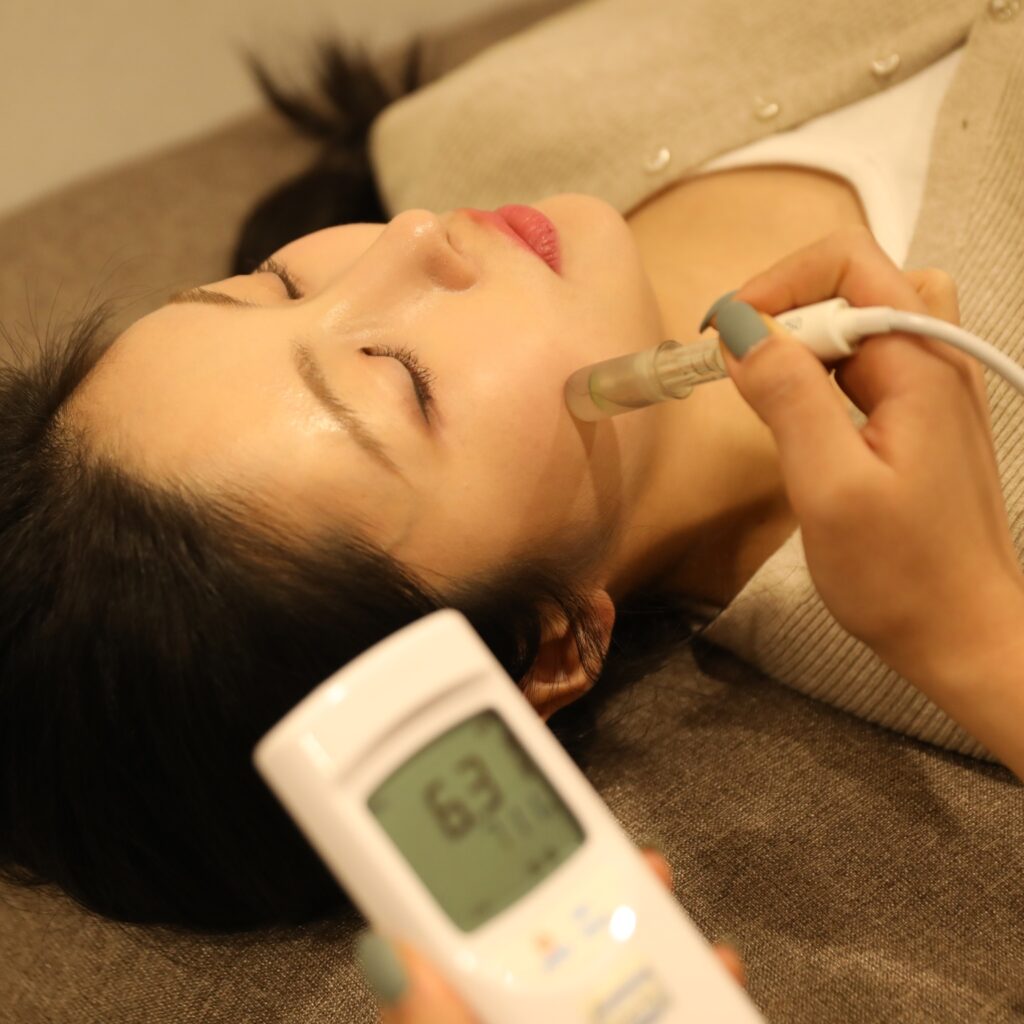
However, slow aging is a slightly different story from efforts to maintain a youthful appearance. Fundamentally, it is a concept that focuses on substance rather than outward appearance. As one moves past middle age into old age, not only the face but also physical function, muscle strength, IQ, and even the quality of life decline. The essence of slow aging can be said to be delaying this stage as much as possible by improving internal functions.
Of course, a healthy lifestyle, including a balanced diet, sufficient sleep, and appropriate exercise, can have a positive effect on the skin. However, this is merely a byproduct. While practicing slow aging is certainly worth striving for in terms of health management, it may not be the answer if your priority is to become prettier or achieve a youthful appearance.
If you want slow skin aging
Wrinkles are the decisive factor in determining skin age. Even with similar skin conditions, the presence or absence of wrinkles can make you look youthful or aged. The problem is that once wrinkles have formed, it is difficult to restore the skin to its original state. It is just like how a folded piece of paper remains even after being fully unfolded. Therefore, to slow down skin aging, you must pay even more attention to prevention.
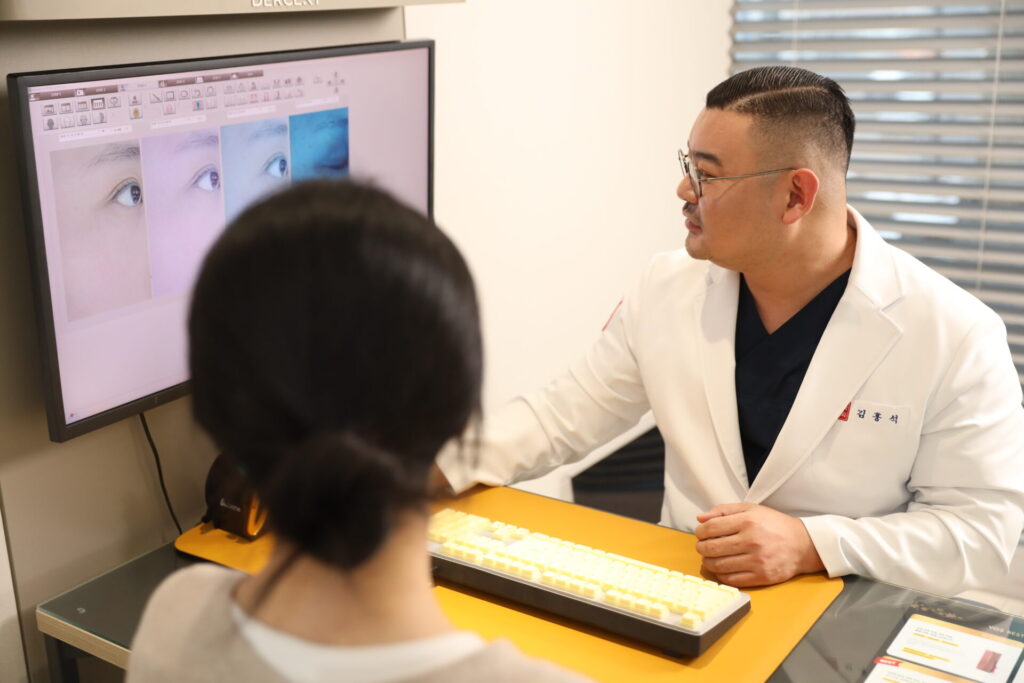
What is the most effective way to prevent wrinkles? It is managing skin elasticity. This is because when elasticity decreases, the skin sags downward, creating folds where wrinkles form. Managing elasticity is essentially the same as managing the collagen that supports skin tissue. The solution that delivers definite results is neither oral collagen nor topical collagen, but a procedure performed by a dermatologist.
The answer that will bring definite results is neither oral collagen nor topical collagen, but a procedure performed by a dermatologist.
Collagen consumed through food is difficult to absorb to a significant degree due to the digestive process. To maintain healthy collagen in the skin, undergoing procedures that act directly on the dermis layer is considered the most reliable method.
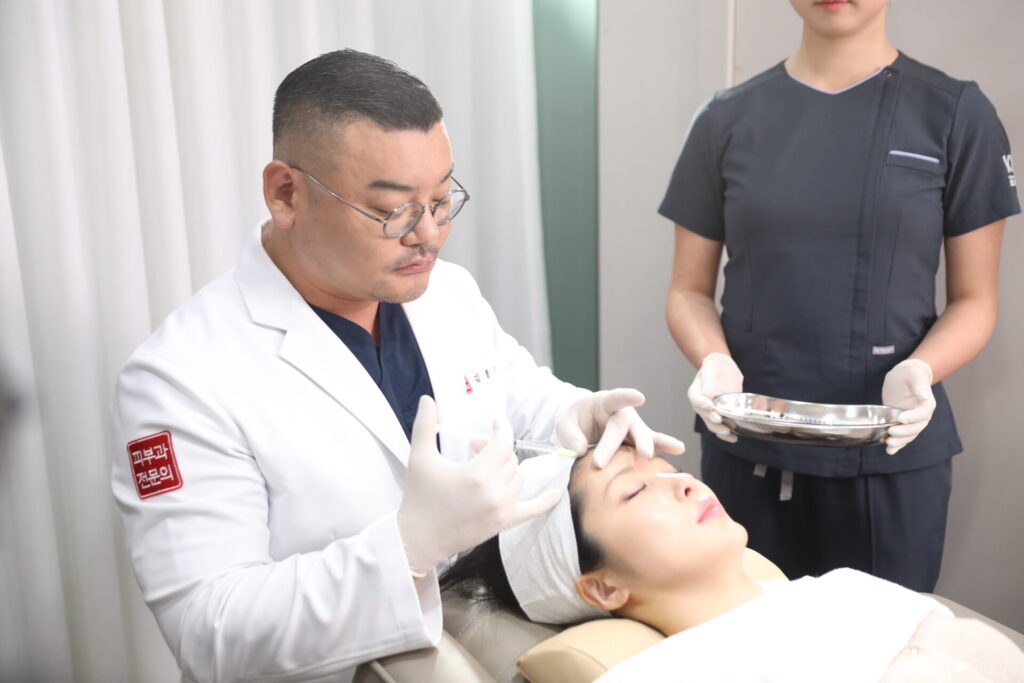
Juvelook is a procedure worth considering for slow skin aging. Juvelook injects high-molecular-weight PDLLA into the skin to stimulate collagen production and boost elasticity. Lifting procedures, such as Ulthera and Thermage, also demonstrate excellent effects on collagen regeneration. Relatively simple treatments like Botox and fillers can also be of great help in preventing wrinkles.
By combining appropriate treatments with healthy lifestyle habits, you can catch two birds with one stone: inner health and outer youth. Most importantly, you must start as early as possible and maintain consistent care. Don’t forget that the earliest day you can start slow aging is today!