






Recently, controversy surrounding the Juvée Lux procedure has been rapidly spreading, primarily on social media. Concerns regarding the safety of the procedure have been raised after a video circulated claiming that a patient went blind in one eye immediately after the treatment. Although the exact facts of the case have not yet been revealed, this incident has sparked widespread anxiety regarding the risk of blindness associated with Juvée Lux.
Even for procedures known to be safe, the possibility of side effects exists. The important thing is that a thorough understanding of the procedure and its potential side effects makes a clear difference in the outcome. If you accurately understand the reasons for side effects and recognize what precautions you need to take beforehand from a patient’s perspective, you will be able to minimize risks and receive the procedure more safely.

Why did Jubeleuk’s blindness occur?
Regardless of the veracity of the content in the video, is there actually a possibility that vision could be damaged by the Juvereuk procedure? To start with the answer, the answer is ‘YES.’ While cases of blindness caused by Juvereuk are extremely rare—to the point where they are hard to find—it is not impossible. To understand this, it is necessary to examine the procedure itself.
1. Juvelook Procedure
Juvereuk is a procedure that involves injecting a substance into the skin to promote collagen production. The key point to note here is the dermis, the injection site. The dermis is located beneath the epidermis, and specifically, the middle to upper part is the injection site for Juvereuk. This is because fibroblasts are abundantly distributed in the middle to upper dermis, which is necessary to stimulate the formation of new collagen.
2. Precautions during the procedure
While efficacy is important, safety cannot be overlooked. The lower dermis contains a large number of thick blood vessels compared to the middle and upper layers. When performing a procedure in an area with such high vascular density, there is a high risk of damaging blood vessels or injecting medication into them if the practitioner lacks anatomical knowledge or technical skill. In this case of blindness, analysis is cautiously suggesting that there is a high possibility that the medication was directly injected into the blood vessel.
3. Why is injecting Juveloc into the bloodstream a problem?
Blood vessels are pathways through which blood travels. These pathways are fundamentally interconnected. The blood vessels in the face, particularly those on the forehead, between the eyebrows, and around the nose, are directly connected to the ophthalmic artery, which supplies blood to the eyes. The ophthalmic artery branches out into several ocular vessels, including the central retinal artery; if a drug travels along this pathway and blocks blood flow, it can cause fatal vision loss or blindness.
4. Are there no similar side effect scenarios?
It is not necessary for the drug to be injected directly into a blood vessel for it to be problematic. There are also scenarios where similar side effects can occur even near blood vessels. A prime example is when an excessive amount is injected. Since Juvelux is a substance with a fixed volume, injecting too much near a blood vessel compresses surrounding tissues and crushes the vessel. If this blocks blood flow, tissue damage can occur; in particular, if the area is connected to the ophthalmic artery, there is a risk of vision problems, just as with a direct injection into the blood vessel.
Jubeleuk’s real name, is Jubeleuk the only one in danger?
Was this issue caused by a problem with Juvelook itself? You might be concerned that Juvelook contains a substance harmful enough to cause blindness. However, Juvelook is a product approved by the U.S. FDA and the Ministry of Food and Drug Safety, and its safety has been sufficiently proven. Ultimately, narrowing down the cause, we arrive at the conclusion that the problem lies in external variables rather than the product.

As mentioned earlier, the most likely cause of blindness is when drugs affect blood vessels. The important point here is that this mechanism is not a risk unique to Juvelux. Whether injected directly into a blood vessel or compressing blood flow in surrounding tissues, the same problem can occur regardless of the type of substance, as long as it has particles and volume. It is just like how a drain can become clogged by thin hair or hardened oil. In other words, most procedures involving the injection of something into the skin share the structural risk of ‘blockage.’
In particular, blindness is a side effect that is actually mentioned more frequently in filler procedures than in Juvereign. And the mechanism is also vascular occlusion, that is, the same principle. Therefore, in this case as well, we cannot rule out the possibility that it occurred because Juvereign was treated like a filler, rather than being a problem with Juvereign itself.
Juvelook blindness, because it’s administered like fillers?
Juvelook is a treatment product based on the concept of a skin booster, not a filler. However, when it was first introduced to the market, it was marketed as a PDLLA/HA filler, and it is still labeled as such on the product label today. Why is that? At that time, the concept of a “skin booster” had not yet been clearly established in the market. Not only Juvereux, but many other products were also classified and distributed as fillers, or their administration methods were ambiguous. Consequently, quite a few products are appearing that were launched as fillers but have undergone renewal to be reclassified as skin boosters. (SkinVibe and Radiesse are representative examples.)

Although fillers and skin boosters may look similar, they are completely different concepts. Fillers directly create shape and contours, whereas skin boosters aim to improve the skin’s natural quality. Therefore, while fillers show noticeable volume immediately after the procedure, skin boosters reveal changes gradually and subtly over time. If you were expecting immediate results, skin boosters might feel somewhat slow. Perhaps for this reason, I often encounter patients who request that Juvelook be administered in larger quantities and with a darker intensity, just like fillers, in anticipation of more dramatic changes.
However, administering Juvereign by injecting an excessive amount into a single area like a filler or by using excessively high concentrations is very dangerous. As previously explained, vision problems are highly likely to occur due to vascular issues. Injecting too deeply to create volume could cause the needle to fail to avoid a blood vessel, or injecting an excessive amount could lead to the drug compressing a blood vessel. Both of these cases can be described as undesirable instances where Juvereign was approached as a filler rather than a skin booster.
Jubelock’s real name, the point to note is this
To enhance the safety of the procedure, there are certainly aspects that patients can verify themselves. First, careful consideration of the treatment site is necessary. In particular, the areas around the eyes, between the eyebrows, and the nose carry a relatively higher risk compared to other areas. This is because blood vessels are located just beneath the skin and are directly connected to the ophthalmic artery. As procedures in these areas require a high level of anatomical understanding and experience, you should determine whether to proceed after thorough consultation with medical professionals, rather than making a hasty decision.
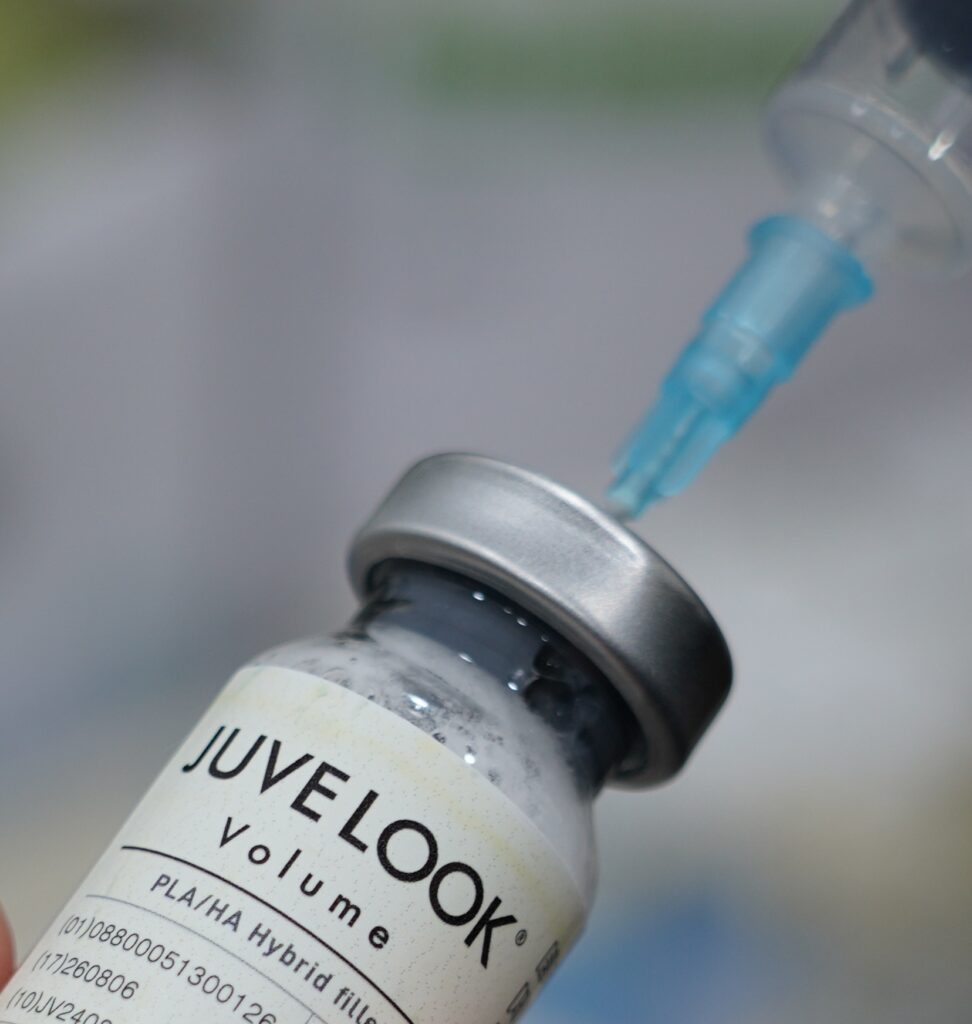
It is also helpful to verify that the hydration process is being performed properly. Juvérec is originally in powder form and requires a hydration process to dissolve it in water into a liquid before the procedure. If this process is not carried out correctly, the medication may be injected in clumps, potentially causing side effects. Since hydration is recommended to take at least 24 hours, it is advisable to avoid clinics that prepare the solution immediately on the same day. What if it is difficult to verify this directly with the hospital? Clinics that frequently perform Juvérec procedures are more likely to keep a surplus of pre-hydrated medication on hand, so referring to this as an indirect checkpoint is also a good approach.
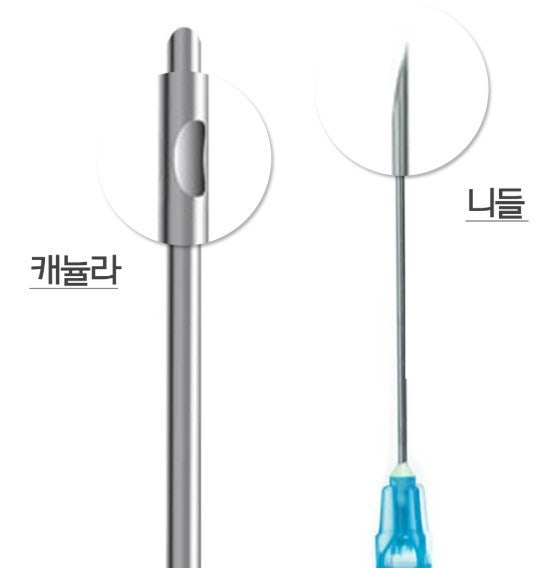
It is ideal to know what type of needle is used for the procedure. Typically, two methods are used for manual injections: standard needles and cannulas. Standard needles have sharp tips, allowing for delicate work, but they carry a risk of damaging blood vessels. On the other hand, cannulas are blunt, making them relatively safer but less precise. Since each has distinct advantages and disadvantages, it is difficult to say which is absolutely superior. However, if you choose a clinic that can flexibly select between the two methods depending on the situation, you will be able to receive a safer procedure using the method most suitable for your purpose.
Juvelook blindness, the key is the practitioner

While there are many factors to consider for safety, it is still nearly impossible to completely eliminate the possibility of side effects. All we can do is seek out the safest options to minimize that risk. So, what is the most important decision in this entire process? It is “who you receive the procedure from.” After all, every outcome is born from the hands of the practitioner.
The first criterion for selecting a trustworthy practitioner is anatomical knowledge. Accurate identification of blood vessel locations is essential to safely inject medication while avoiding critical vessels. The second is an understanding of the product and the procedure. The practitioner must be able to clearly explain how Juvélook works as a skin booster and why the procedure must be performed in that specific manner. Finally, there is technique. The key to Juvélook is injecting it thinly and evenly across the entire face. This goes beyond simply handling a syringe and requires precise manual dexterity and sufficient procedural experience.
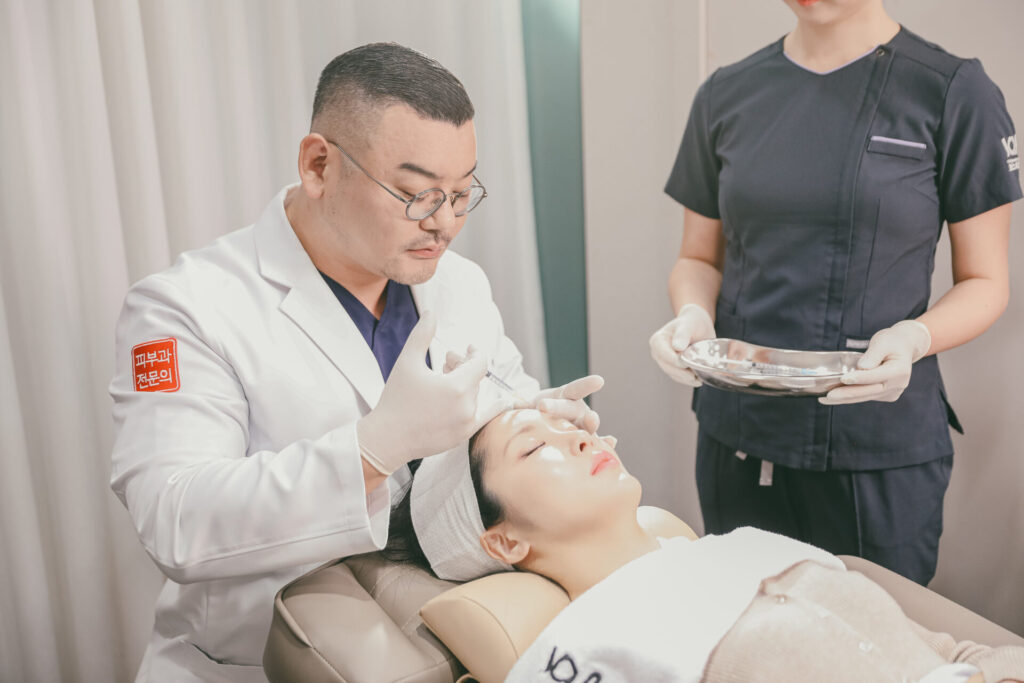
Dr. Hong-Seok Kim, the director of VOS Dermatology, is an expert who has long emphasized the differences between Juvereign and fillers. This was possible because he introduced the product so quickly that he is called a “first-generation Juvereign” expert, and has built an unrivaled understanding throughout his career. It is likely for similar reasons that he is able to personally perform all procedures using manual injection. We invite you to experience firsthand the difference in safety and results based on experience at Boss Dermatology.